Xvideo Zoofilia Bizarra Top |verified| Page
Understanding Animal Behavior
While the integration of animal behavior and veterinary science has made significant progress in recent years, there are still challenges to be addressed. These include:
Consider the case of a Labrador Retriever presented for “aggression toward children.” A traditional workup might focus on dominance or training failure. But a behavior-informed veterinarian asks: When does the growling happen? If the answer is “when the child hugs the dog,” the differential diagnosis shifts. The dog may not be aggressive; he may be painful. Thoracolumbar pain from arthritis can make a dog flinch and snap at any pressure on the ribs. Treat the pain, and the “aggression” vanishes. xvideo zoofilia bizarra top
Advancements and Future Directions
- Stress and anxiety: Chronic stress and anxiety can have negative impacts on animal welfare and health.
- Learning and conditioning: Understanding how animals learn and respond to their environment can inform training and management strategies.
- Social behavior: Recognizing the importance of social behavior in animals can help veterinarians address issues like social stress and aggression.
- Communication: Deciphering animal communication can aid in identifying behavioral and health issues.
Maladaptive
: "Abnormal" behaviors often caused by stress or poor environment, which vets must identify to treat underlying psychological issues. 2. Why Vets Must Be Behaviorists Stress and anxiety : Chronic stress and anxiety
As genomic testing and neuroimaging become more accessible in veterinary clinics, the link between behavior and science will only tighten. We are entering an era where we don't just treat the symptoms we see, but the internal emotional states that drive them. Maladaptive : "Abnormal" behaviors often caused by stress
A modern veterinarian doesn't just look for broken bones; they look for behavioral cues that indicate pain or distress.
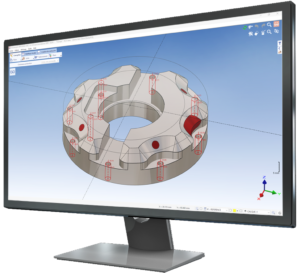
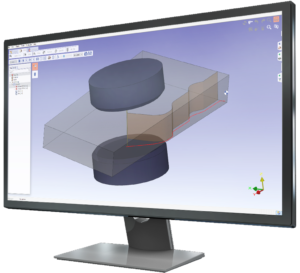
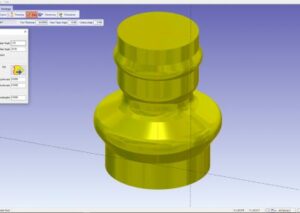
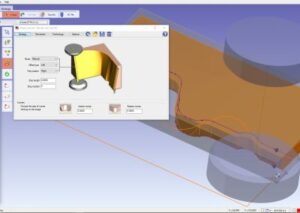
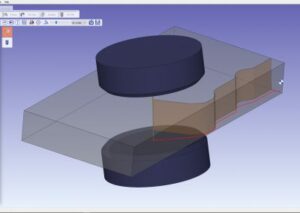
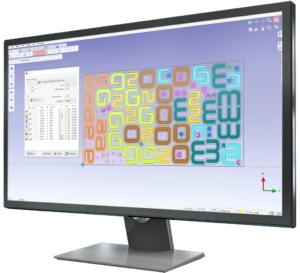
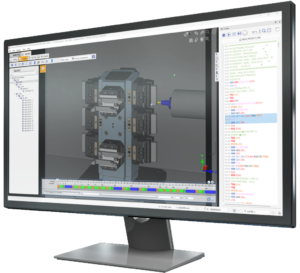
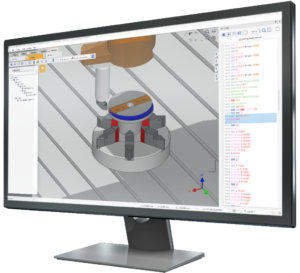
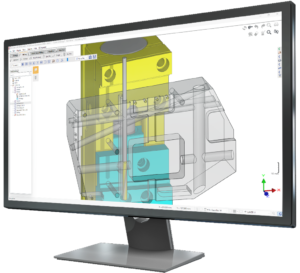
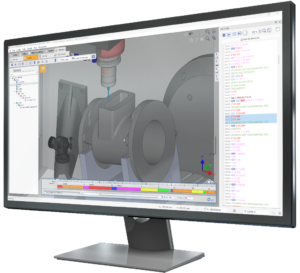
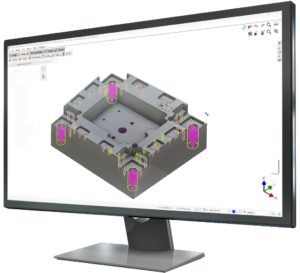
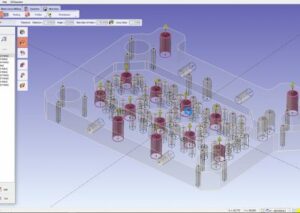
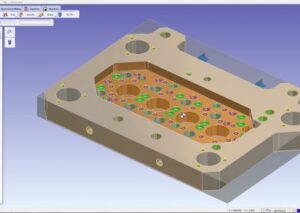
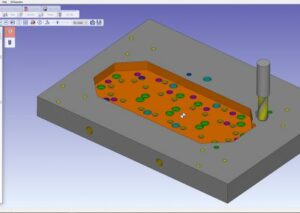
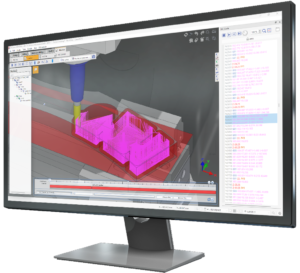 Sviluppata da GO2cam International, millyuGO® è la risposta alle problematiche specifiche delle produzioni che necessitano di un’asportazione di materiale considerevole.