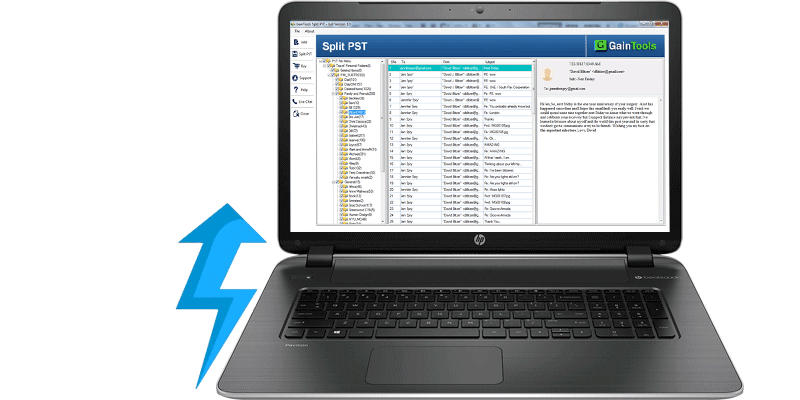
A straightforward program to split by size, year & folder
PST is one of the most widely used platforms for MS Outlook for Windows. PST holds a number of databases.
If you are looking to split PST, the split application will help you out.
SameTools
The Pakistani MMS scandal, also known as the "Pakistani MMS controversy" or "Desi MMS scandal," refers to a series of events that took place in 2005-2006 involving the unauthorized release of private MMS (Multimedia Messaging Service) videos featuring Pakistani celebrities, models, and common people.
The viral nature of such videos brings to the forefront conversations about digital privacy, consent, and the responsibility of social media users. It also raises questions about the impact on individuals involved and the role of platforms in moderating content.
Addresses the intent to harm a person's reputation or "venerate" them through digital means.
Split PST by Size
The PST split program has capacity to split PST by size. The tool reads and uploads PST files of any size including ANSI and UNICODE. The software maintain data integrity of data. Pakistani MMS Scandal - TumTube com - Desi Videos.flv target
Split PST by Year
The advanced tool split PST files by year. It creates a separate PST file each year. For example, if you select from 2003 to 2005, the tool will create 3 separate files for each year. The Pakistani MMS scandal, also known as the
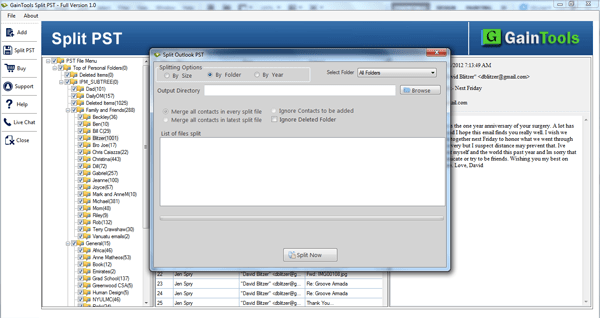
Split PST by Folder
The feature allows you to split PST by folders of your choice. You can extract any folder of a PST file including messages, notes, mails etc... The software enables users to pick any folder to customize split process. The Pakistani MMS scandal
The Pakistani MMS scandal, also known as the "Pakistani MMS controversy" or "Desi MMS scandal," refers to a series of events that took place in 2005-2006 involving the unauthorized release of private MMS (Multimedia Messaging Service) videos featuring Pakistani celebrities, models, and common people.
The viral nature of such videos brings to the forefront conversations about digital privacy, consent, and the responsibility of social media users. It also raises questions about the impact on individuals involved and the role of platforms in moderating content.
Addresses the intent to harm a person's reputation or "venerate" them through digital means.