


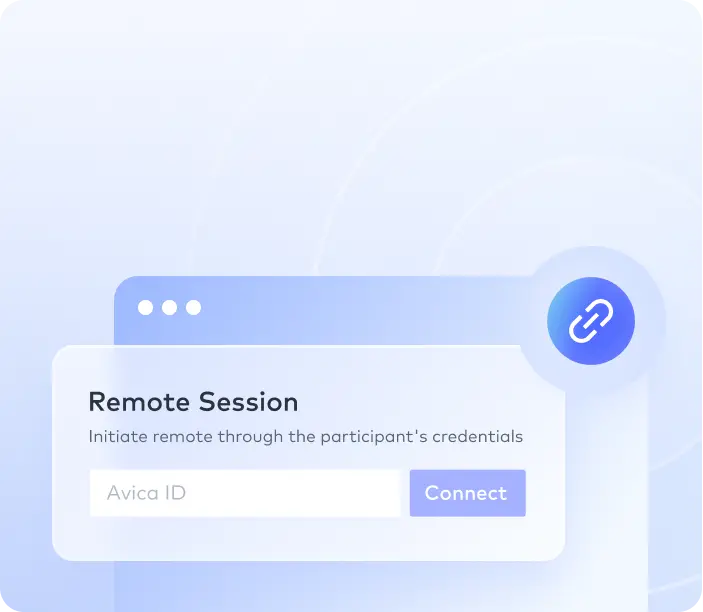



Remote Access
Access your remote desktop from any device, anywhere.
The Japanese entertainment industry is a global powerhouse, blending centuries of rigid tradition with a relentless drive for technological innovation. From the neon-soaked streets of Akihabara to the quiet dignity of a Noh theater, Japan’s cultural exports—often referred to as "Cool Japan"—have transformed the country from a post-war industrial hub into a premier cultural influencer. The Foundation: Harmony Between Old and New
This insularity creates a unique cultural product: one that is unapologetically Japanese. Unlike Hollywood’s calculated universality, Japanese entertainment often retains its cultural specificities— onsen (hot spring) episodes, hanami (cherry-blossom viewing) scenes, and complex honorific language. This very "Japaneseness" is its global appeal. Audiences worldwide crave the authentic cultural lens, not a diluted version. The industry’s challenge in the coming decade is to maintain this authenticity while reforming its labor practices and opening its doors to global collaboration without losing its distinctive soul. jav boobs uncensored
serving as primary mediums for cross-cultural communication. The Japanese entertainment industry is a global powerhouse,
What’s your favorite gateway into Japanese entertainment? Anime? J-Horror? Or the sheer chaos of "Silent Library"? Let me know in the comments below. The industry’s challenge in the coming decade is
Japanese entertainment is a global phenomenon. From the neon-lit streets of Akihabara, the epicenter of otaku (anime and manga fan) culture, to the living rooms of millions watching Kurosawa’s Seven Samurai or singing along to Ado’s latest Vocaloid-infused hit, Japan’s cultural exports wield an influence disproportionate to the nation’s size. Yet, to understand this industry is to enter a complex maze, one where ancient aesthetics meet hyper-modern technology, and where global success often coexists with insular, domestically-focused business practices. The Japanese entertainment industry is not merely a collection of products; it is a dynamic mirror reflecting the nation’s core cultural tensions: between tradition and innovation, collectivism and individual expression, and harmony ( wa ) and the relentless pursuit of perfection.

Connect Everything, Work Anywhere