If you’re interested in a different topic—such as the psychology of adolescent romance in fiction, the use of color symbolism in coming-of-age films, or a critical history of teen romantic dramas—I’d be glad to help with a thoughtful, in-depth piece. Please let me know how I can assist you appropriately.
Dr. Elena Voss, a developmental psychologist specializing in adolescent affect regulation, notes: "Teenagers experience emotional intensity at roughly 150% of an adult's baseline. Their limbic systems are in overdrive, but their prefrontal cortexes—responsible for nuance and impulse control—are still under construction. Consequently, the 'color climax' isn't a metaphor for them. It is their daily reality."
The narrative of "Color Climax" revolves around the lives of teenagers as they navigate love, friendship, and growing pains. While specific plot details are scarce, the title suggests a coming-of-age story that climaxes with colorful and potentially dramatic romantic developments. The characters are likely to be well-developed, relatable, and flawed, allowing readers to invest in their journeys.
and featured full-color photograph sets, usually consisting of five or six sets of about ten pages each. Context of the "Teenage Sex" Series While the series title Teenage Sex
Would you like to know more about a specific aspect of Color Climax content or teenage relationships in general?
Concerns and Criticisms
For teenagers, who experience emotions with a unique, unfiltered intensity, the color climax is not merely a storytelling device; it is a psychological reality. A first love is rarely a slow burn of stable hues. It is a series of seismic, color-coded events.
Here is an exploration of how visual creators use color climaxes to mirror the highs, lows, and ultimate resolutions of young love. 🖤 The Monochromatic Setup: The World Before Love
.png)

 eRTK10 mini
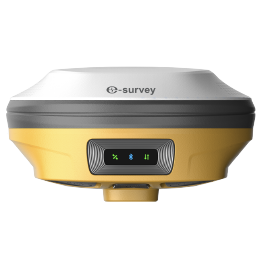 eRTK20
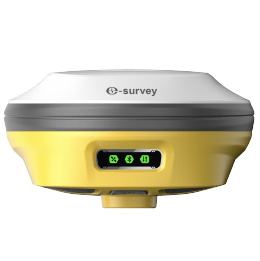 eRTK25
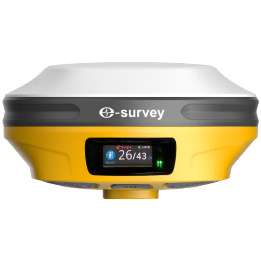 eRTK30
 eRTK60
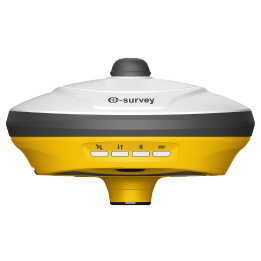 eBase 20
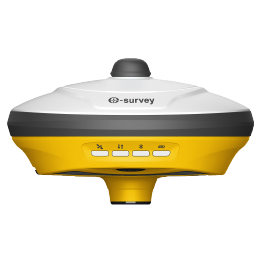 E200
E200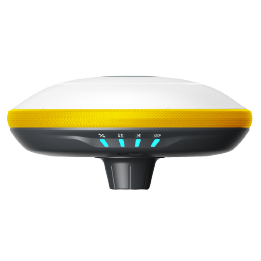 E300 Pro
 E500
E500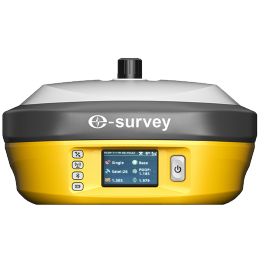 E800
E800 E600
E600 eDMR1
eDMR1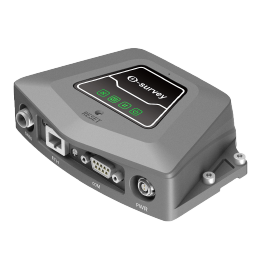 NET10
NET10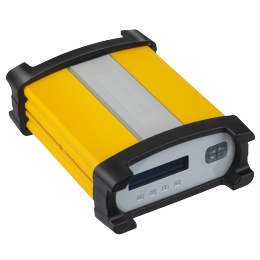 NET20 PLUS
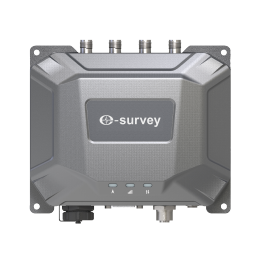 eHP10
eHP10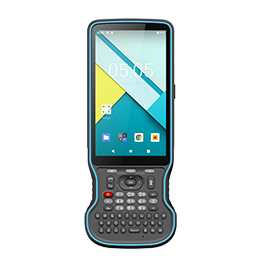 P8III
P8III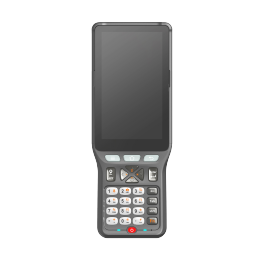 P9IV
P9IV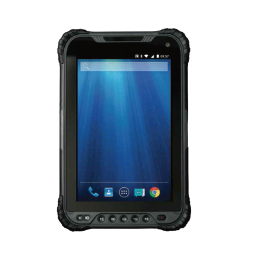 UT32
UT32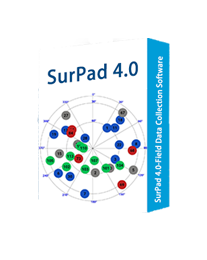 Surpad4.2
 GEOSolution
 GNSS.NET
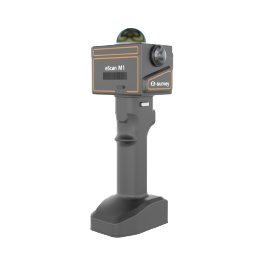 eScan M1
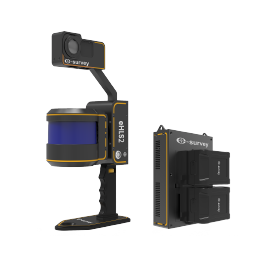 eHLS2
eHLS2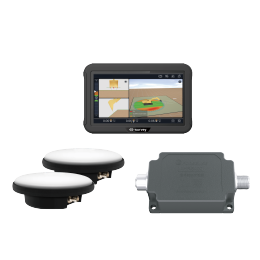 eME10
eME10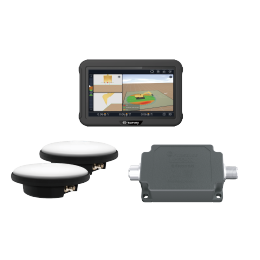 eME30
eME30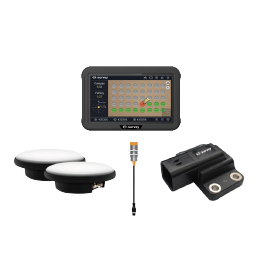 eMP10
eMP10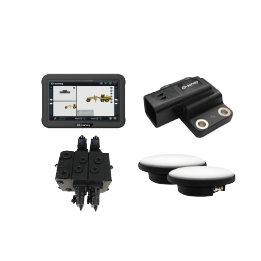 eMG30
eMG30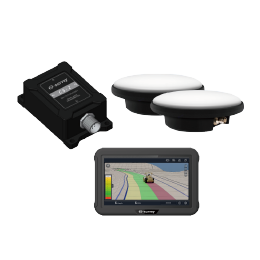 eMR10
eMR10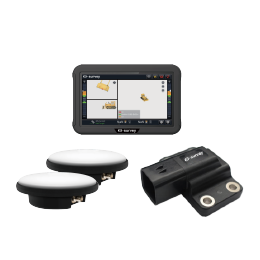 eMB10
eMB10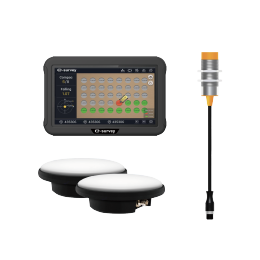 eMC10
eMC10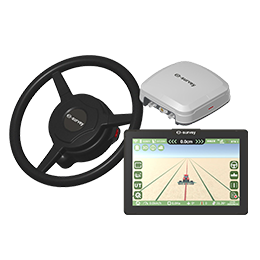 EAS502
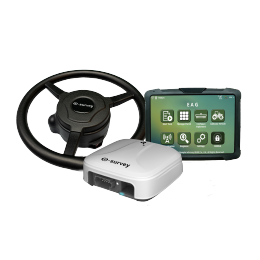 Bestar 301
 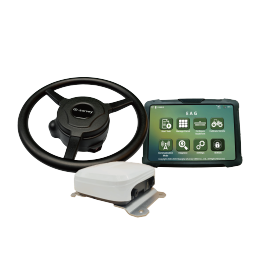 EAS301 Pro Motor
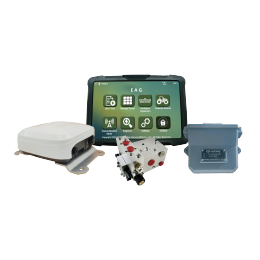 EAS301 Pro Hydraulic
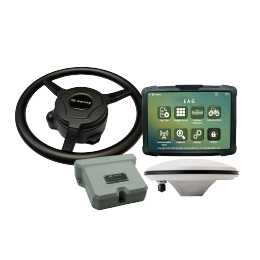 EAS100
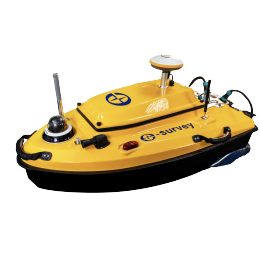 VE115
VE115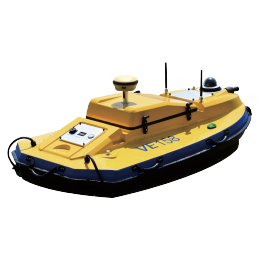 VE158
VE158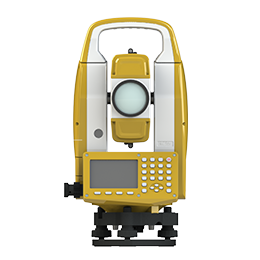 eTS32
eTS32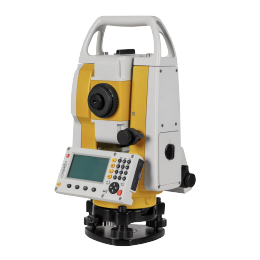 E3
E3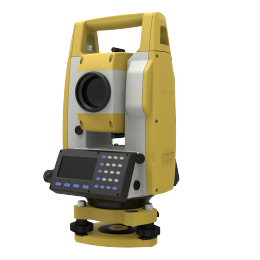 eTS2
eTS2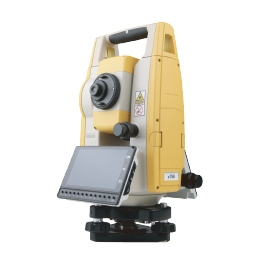 eTS8
eTS8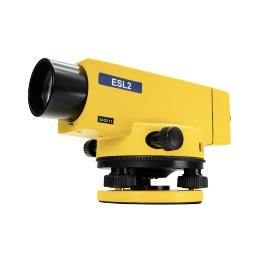 ESL2
ESL2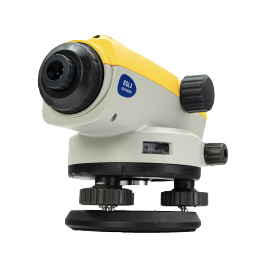 ESL3
ESL3 ET2A
ET2A TRU35
TRU35 UA91
UA91 UA92
UA92 UA35
UA35